GUANGZHOU INTERNATIONAL FINANCE CENTER

GUANGZHOU INTERNATIONAL FINANCE CENTER

GUANGZHOU INTERNATIONAL FINANCE CENTER

Guangzhou, China

Artificial Lighting

Architect: Wilkinson Eyre Architects
Completion year: 2010
Images: Jonathan Leijonhufvud

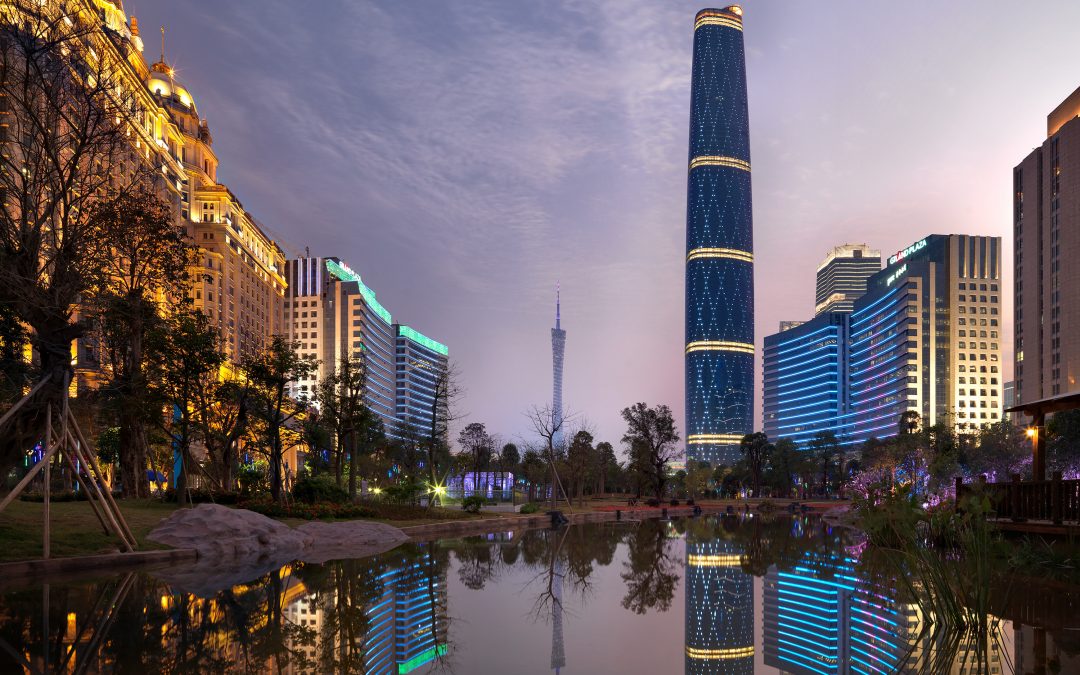
The IFC Guangzhou with a height of 487 m ranks amongst the highest buildings on earth. A solution for the presentation of the façade was developed with which you can see the characteristic, diagonal structure of the framework behind the glass façade even at night. Because the tower is mainly used for office and hospitality, the lighting needed to be easy to maintain from the outside and must not shine into the interior. The solution are integrated façade elements with LED that can illuminate the building dynamically and colourful. The standard setting though is monochrome and static light scenes to underline the architecture of the building.

BERTHOLD FURTMEYR EXHIBITION

BERTHOLD FURTMEYR EXHIBITION

BERTHOLD FURTMEYR EXHIBITION

Regensburg, Germany

Artificial Lighting & Lighting Controls

Architect: Tillmann Wagner Architekten
Completion year: 2010
Images: Tillmann Wagner Architekten

Miniaturist Berthold Furtmeyr’s main work in the context of book illustration was presented for the first time from November 2010 to February 2011 at the “Historisches Nationalmuseum” in Regensburg, Germany. The main concept of the exhibition design was to integrate the complementary nature of image and text in book painting within the exhibition space. Accentuation of the pieces of art while supporting the architectural design in an unobtrusive way has been a particular challenge in this low budget project.

Heinze Architekten Award 2012

Miniaturist Berthold Furtmeyr’s main work in the context of book illustration was presented for the first time from November 2010 to February 2011 at the “Historisches Nationalmuseum” in Regensburg, Germany. The main concept of the exhibition design was to integrate the complementary nature of image and text in book painting within the exhibition space. Accentuation of the pieces of art while supporting the architectural design in an unobtrusive way has been a particular challenge in this low budget project.

Heinze Architekten Award 2012

MUSEION

MUSEION

MUSEION

Bolzano, Italy
Daylight, Artificial Light, Lighting Controls and Visual Media

Architect: KSV Krüger Schuberth Vandreike
Completion year: 2008
Images: Ludwig Thalheimer, Othmar Seehauser

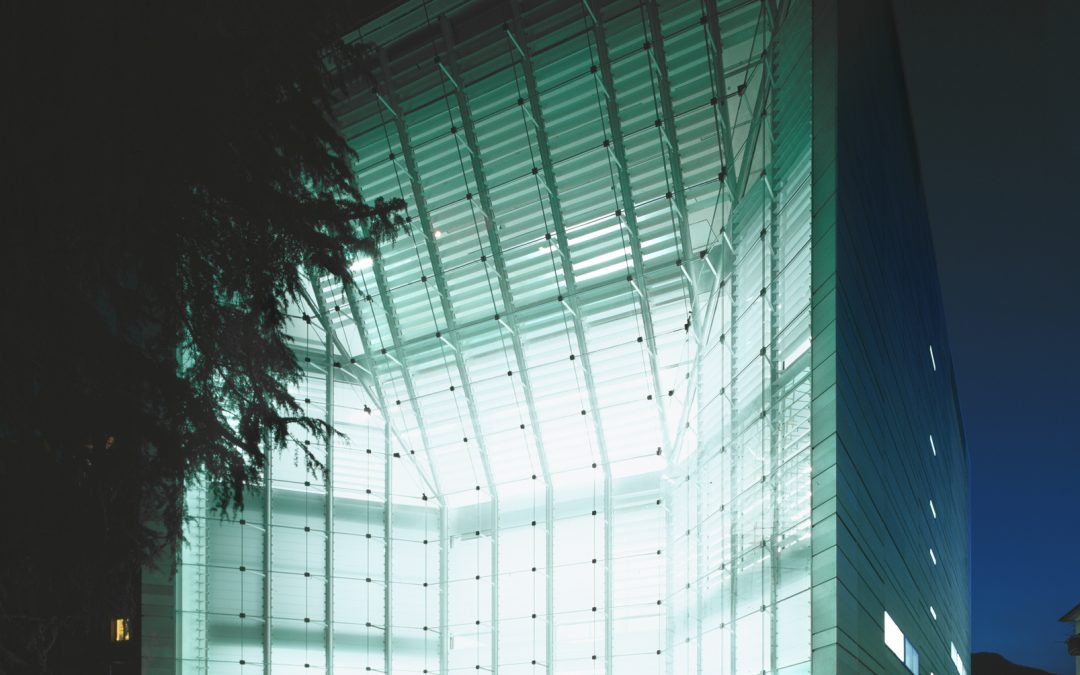
The city of Bolzano’s museum for modern and contemporary art is called “Museion”. A central skylight provides ample natural light and is carried over in lighted ceilings in the lower floors. Transparent glass walls open the modern building to the east and west, where translucent, adjustable glass louvers screen and deflect incoming sunlight. By darkness the louvers can be closed to create a projection surface encompassing more than 500m². These monumental twin screens are ideally suited for the presentation of multimedia artwork and have become a trademark of the Museion.

AIDA CRUISE SHIPS

AIDA CRUISE SHIPS

AIDA CRUISE SHIPS

Artificial Lighting

Architect: Partner Ship Design
Completion year: 2007 – ongoing
Images: Alexander Rudolph

AIDAdiva, AIDAbella, AIDAluna, AIDAblu, AIDAsol, AIDAmar and AIDAstella are the new generation cruise ships with high standards of luxury and convenience for passengers and crew. Lighting is critical in these vessels, creating atmosphere, setting tone and mood and enhancing functionality. More than 600 individually adjustable lighting groups enable precise illumination day or night, for any occasion. The entire lighting concept maximizes energy savings and safety with sustainable, low maintenance components.

IES Illumination Awards 2013 (Section Award)
IES Illumination Award of Merit 2013 

AIDAdiva, AIDAbella, AIDAluna, AIDAblu, AIDAsol, AIDAmar and AIDAstella are the new generation cruise ships with high standards of luxury and convenience for passengers and crew. Lighting is critical in these vessels, creating atmosphere, setting tone and mood and enhancing functionality. More than 600 individually adjustable lighting groups enable precise illumination day or night, for any occasion. The entire lighting concept maximizes energy savings and safety with sustainable, low maintenance components.

IES Illumination Awards 2013 (Section Award)
IES Illumination Award of Merit 2013 

HOUSE OF THE WORLD’S CULTURES

HOUSE OF THE WORLD’S CULTURES

HOUSE OF THE WORLD’S CULTURES

Berlin, Germany
Artificial Lighting

Architect: FHW Architekten
Completion year: 2007
Images: Roland Wich

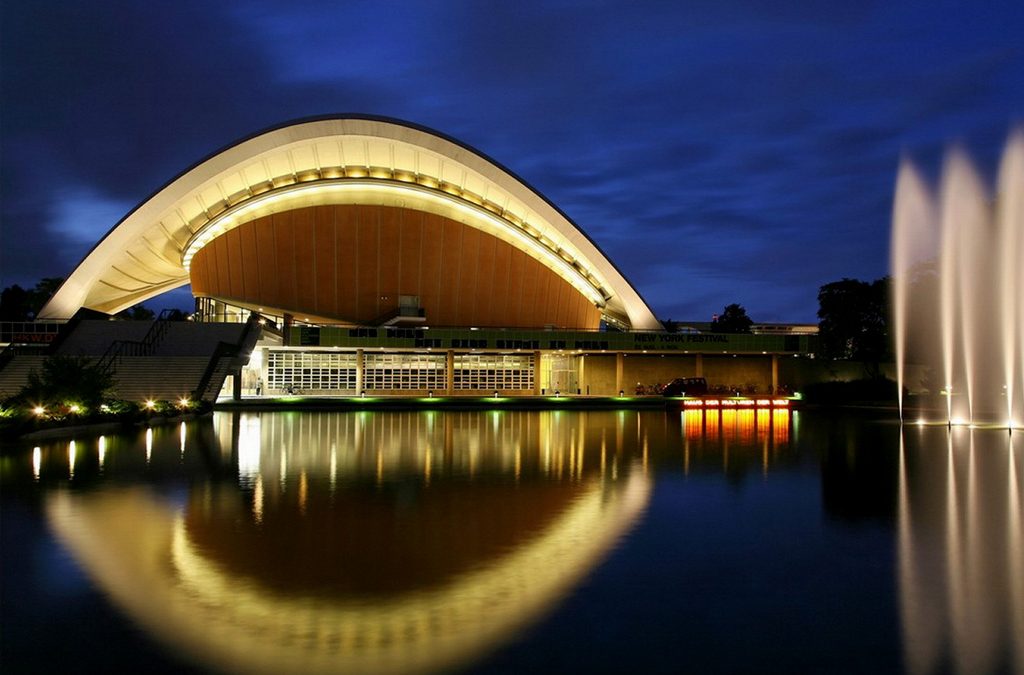
The House of the World’s Cultures is a conference and event centre from the 1950‘s. The aim was to bring out the best of the unique architecture and the materials used by an integrated lighting. The landscape was considered in the concept by a subtle accent and water feature lighting. Despite the use of modern technologies, the energy use of the old solution could be reduced by more than 65%.

The House of the World’s Cultures is a conference and event centre from the 1950‘s. The aim was to bring out the best of the unique architecture and the materials used by an integrated lighting. The landscape was considered in the concept by a subtle accent and water feature lighting. Despite the use of modern technologies, the energy use of the old solution could be reduced by more than 65%.