MATHEMATISCH PHYSIKALISCHER SALON, ZWINGER

MATHEMATISCH PHYSIKALISCHER SALON, ZWINGER

MATHEMATISCH PHYSIKALISCHER SALON, ZWINGER

Dresden, Germany
Daylight, Artificial Lighting and Concept Lighting Controls

Architect: Holzer Kobler Architekturen
Completion year: 2013
Images: Andrea Flak

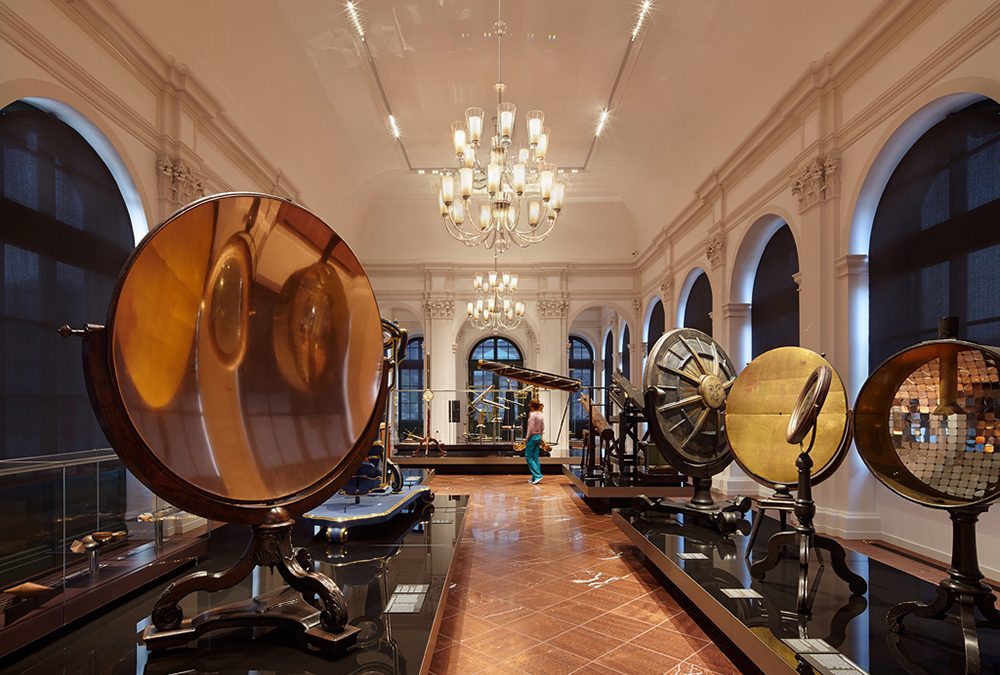
Ever since the opening of the Dresden “Zwinger” in 1728, the “Mathematisch-Physikalischer Salon” has been the key feature in this iconic architectural ensemble. It houses one of the oldest ‘History of Science Collections’, which presents itself after an extensive refurbishment in a brand-new light and with exhibition space almost doubled. Artificial lighting and day lighting are specifically designed to the requirements of the interior finishes which allow sensible objects to be presented in a modern approach while keeping the notion of the original genius locii.

Ever since the opening of the Dresden “Zwinger” in 1728, the “Mathematisch-Physikalischer Salon” has been the key feature in this iconic architectural ensemble. It houses one of the oldest ‘History of Science Collections’, which presents itself after an extensive refurbishment in a brand-new light and with exhibition space almost doubled. Artificial lighting and day lighting are specifically designed to the requirements of the interior finishes which allow sensible objects to be presented in a modern approach while keeping the notion of the original genius locii.

PALAEON

PALAEON

PALAEON

Schoeningen, Germany
Artificial Lighting

Architect: Holzer Kobler Architekturen
Completion year: 2013
Images: palaeon GmbH, id3d Berlin, Lichtvision

The Palaeon in Schöningen was built in honor of the discovery of the oldest hunting weapons on human record. The predominant color of the exhibition interiors is white contrasting the strong colour accents in the foyer. The concept for the building is a nod to layered earth and implemented as a graphic element.
Spatial axes are established by using homogenous light which continues through the space and into the building’s exterior. The graphic nature of the light line is complemented by functional downlights and directional luminaires which clarify interplays of textures and colors.
The Palaeon in Schöningen was built in honor of the discovery of the oldest hunting weapons on human record. The predominant color of the exhibition interiors is white contrasting the strong colour accents in the foyer. The concept for the building is a nod to layered earth and implemented as a graphic element.
Spatial axes are established by using homogenous light which continues through the space and into the building’s exterior. The graphic nature of the light line is complemented by functional downlights and directional luminaires which clarify interplays of textures and colors.

GERMANISCHES NATIONALMUSEUM

GERMANISCHES NATIONALMUSEUM

GERMANISCHES NATIONALMUSEUM

Nuremberg, Germany
Artificial Lighting, Daylight & Lighting Control

Architect: Staatliches Bauamt Erlangen-Nürnberg
Completion year: 2010
Images: Lichtvision, Lothar Reichel Revo Studio

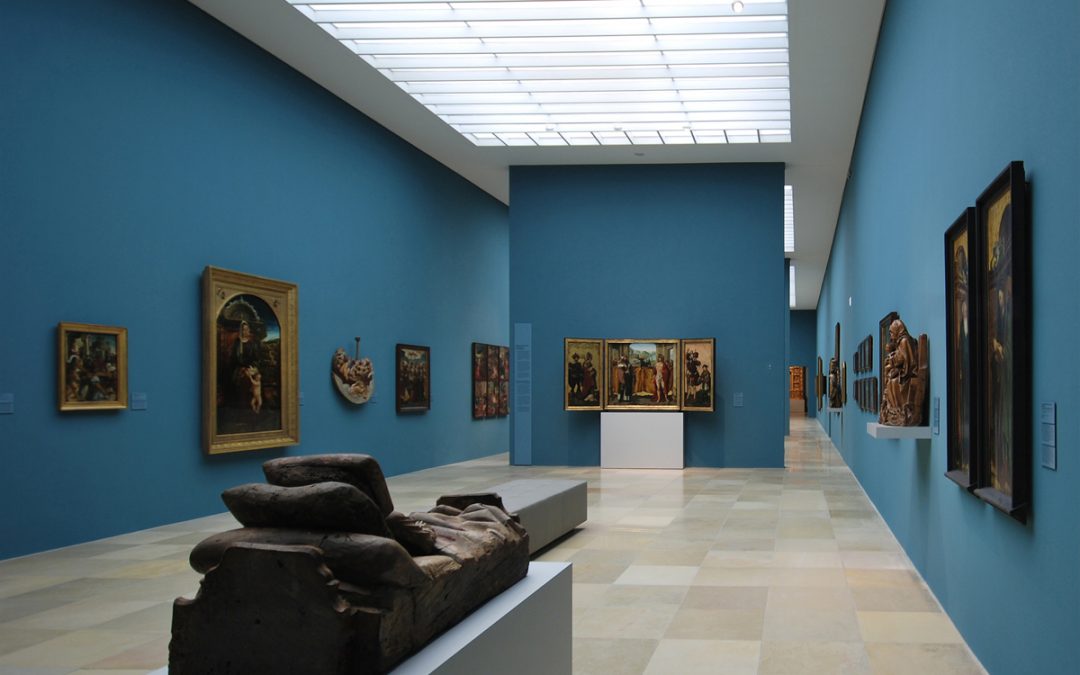
The gallery building of the Germanisches Nationalmuseum, dating from the 1920s, has been extensively renovated according to the plans of the State Building Authority. The renovation included a comprehensive refurbishment of the roof and the glazing of the ceiling skylights above the first floor, allowing the halls of the gallery building to be illuminated primarily by natural daylight again. The upper light halls now house a diverse collection of paintings, sculptures, and art objects, presented in a continuous sequence of rooms. This renovation carefully considered both conservation and perceptual physiological aspects to enhance the visitor experience.

The gallery building of the Germanisches Nationalmuseum, dating from the 1920s, has been extensively renovated according to the plans of the State Building Authority. The renovation included a comprehensive refurbishment of the roof and the glazing of the ceiling skylights above the first floor, allowing the halls of the gallery building to be illuminated primarily by natural daylight again. The upper light halls now house a diverse collection of paintings, sculptures, and art objects, presented in a continuous sequence of rooms. This renovation carefully considered both conservation and perceptual physiological aspects to enhance the visitor experience.

ALBERTINUM

ALBERTINUM

ALBERTINUM

Dresden, Germany
Artificial Lighting and Consulting Daylight

Architect: Staab Architekten
Completion year: 2010
Images: David Brandt

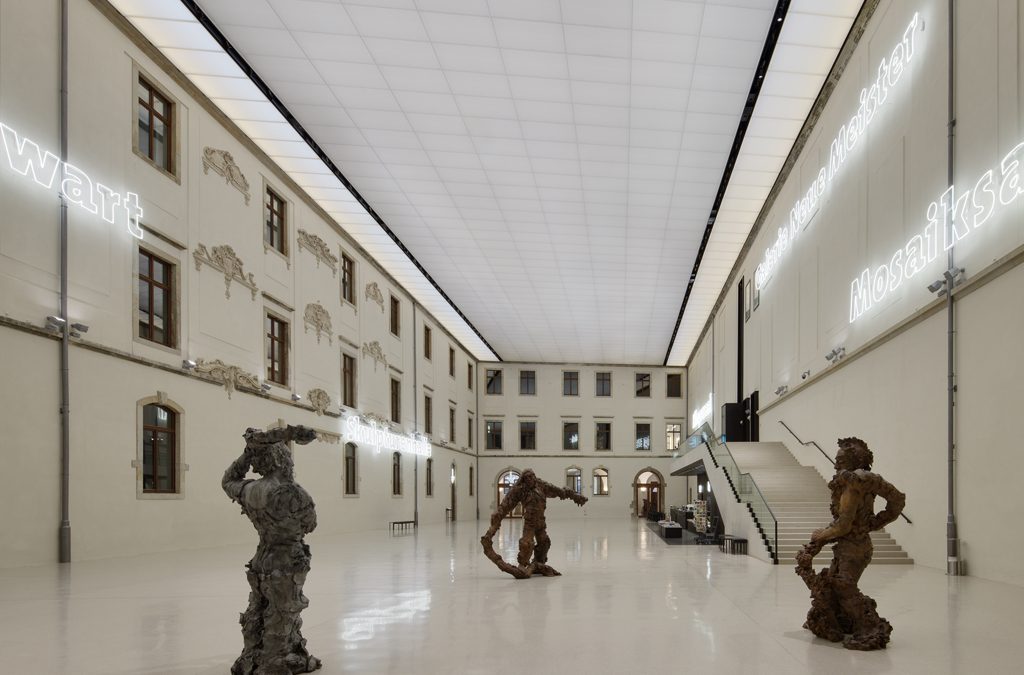
The new Albertinum includes a redesign of the existing building structure and a re-organisation by adding the necessary art depots not inside the inner courtyard, but above. A generous space was created that is now used as a foyer and event space while providing a connecting link for the diverse exhibitions. The exhibition areas display both classic and modern sculptures as well as paintings. The atmosphere ranges from mainly daylit spaces through classic galleries to almost dark depots. Lighting supports these atmospheres and exhibition requirements, paying attention to integrate into the design without standing out on its own.

BERTHOLD FURTMEYR EXHIBITION

BERTHOLD FURTMEYR EXHIBITION

BERTHOLD FURTMEYR EXHIBITION

Regensburg, Germany

Artificial Lighting & Lighting Controls

Architect: Tillmann Wagner Architekten
Completion year: 2010
Images: Tillmann Wagner Architekten

Miniaturist Berthold Furtmeyr’s main work in the context of book illustration was presented for the first time from November 2010 to February 2011 at the “Historisches Nationalmuseum” in Regensburg, Germany. The main concept of the exhibition design was to integrate the complementary nature of image and text in book painting within the exhibition space. Accentuation of the pieces of art while supporting the architectural design in an unobtrusive way has been a particular challenge in this low budget project.

Heinze Architekten Award 2012

Miniaturist Berthold Furtmeyr’s main work in the context of book illustration was presented for the first time from November 2010 to February 2011 at the “Historisches Nationalmuseum” in Regensburg, Germany. The main concept of the exhibition design was to integrate the complementary nature of image and text in book painting within the exhibition space. Accentuation of the pieces of art while supporting the architectural design in an unobtrusive way has been a particular challenge in this low budget project.

Heinze Architekten Award 2012