VILLA REITZENSTEIN
VILLA REITZENSTEIN
Stuttgart, Germany
Artificial Lighting
Client: Vermögen und Bau Baden-Württemberg Amt Stuttgart
Architect: Sting Architekten EWL
Completion year: 2015
Images: Wolfram Janzer
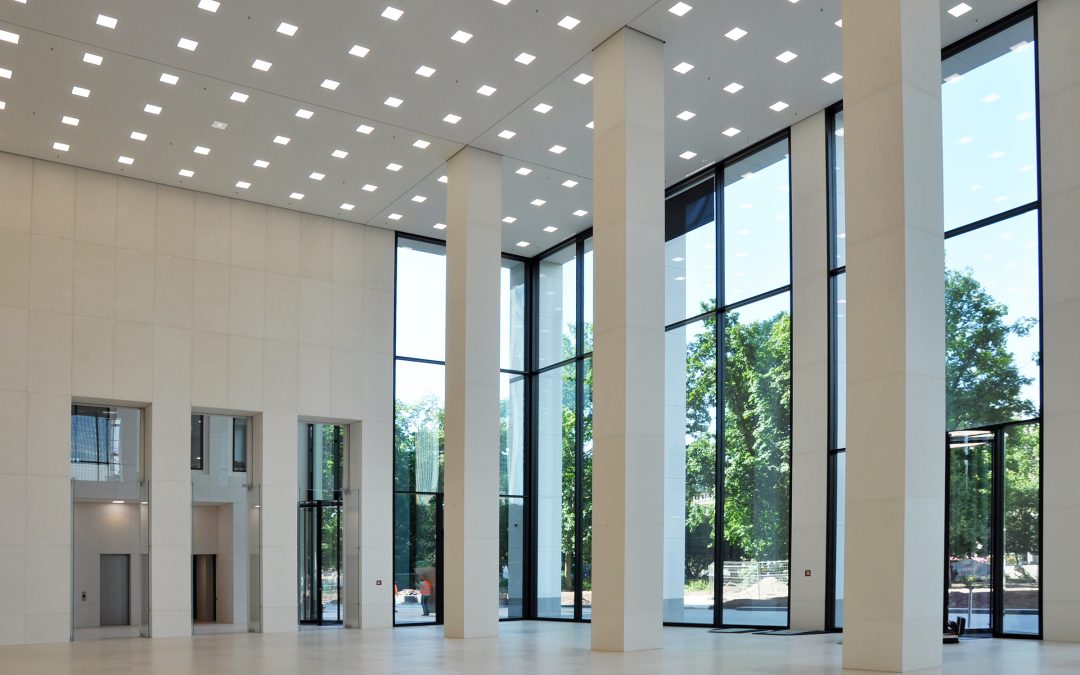
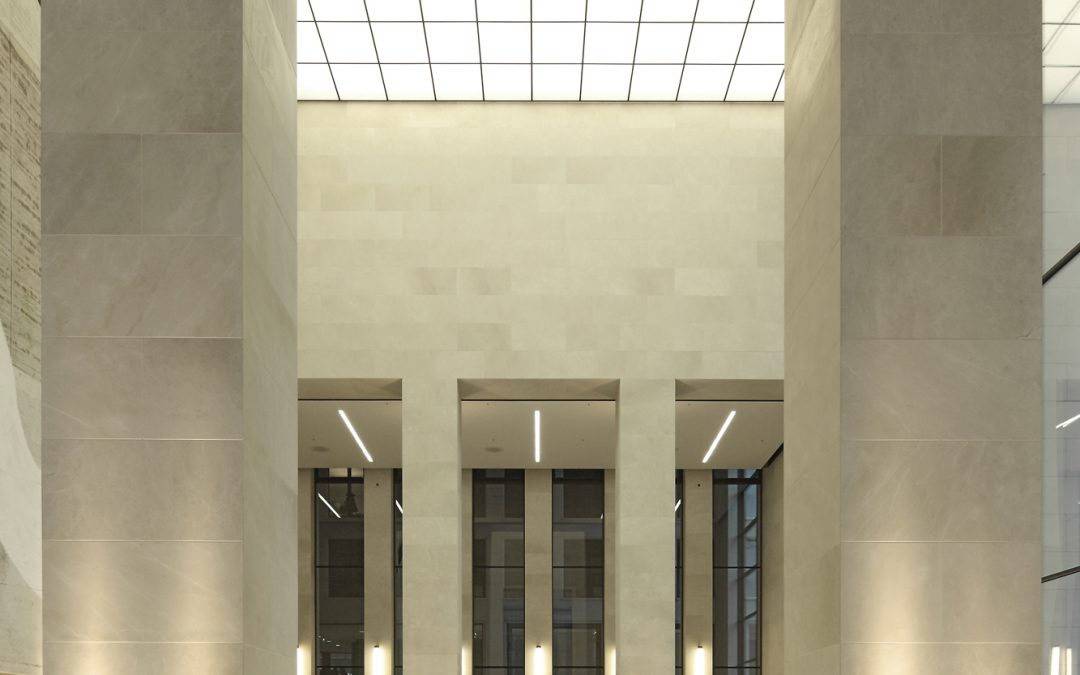
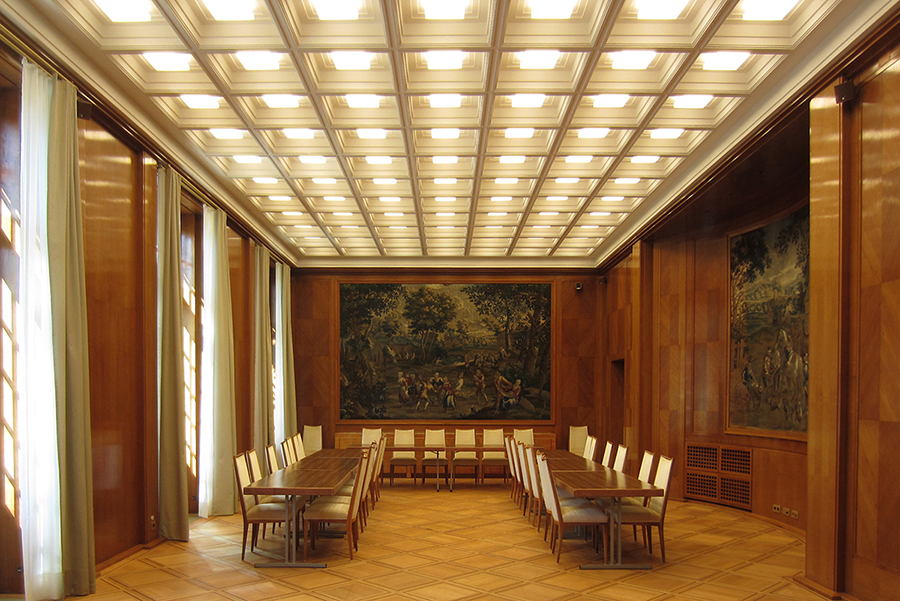
The general refurbishment of the Villa Reitzenstein, the seat of the Minister President of Baden-Württemberg, was carried out by architectural practice Sting Architekten. A lighting solution was developed which perpetuates historical elements and meets current and future needs. The general lighting of the house is based on geometrical base profiles in which miniaturized lighting heads are integrated as pivoted and rotatable spotlight heads. In the representative rooms the historical chandeliers were renovated and converted to LEDs. The central luminaire in the staircase picks up the theme of the chandelier in a modern interpretation and creates a link between the two main floors.


The general refurbishment of the Villa Reitzenstein, the seat of the Minister President of Baden-Württemberg, was carried out by architectural practice Sting Architekten. A lighting solution was developed which perpetuates historical elements and meets current and future needs. The general lighting of the house is based on geometrical base profiles in which miniaturized lighting heads are integrated as pivoted and rotatable spotlight heads. In the representative rooms the historical chandeliers were renovated and converted to LEDs. The central luminaire in the staircase picks up the theme of the chandelier in a modern interpretation and creates a link between the two main floors.