Lichtvision Design
Museum & Culture lighting design — Germany
← All expertise

Sector · Museum & Culture

Light in service of the work.

Museums, galleries, concert halls, libraries and heritage buildings — lighting designed for preservation, perception and a quiet sense of awe.

Our approach

Museum & Culture lighting design, in practice.

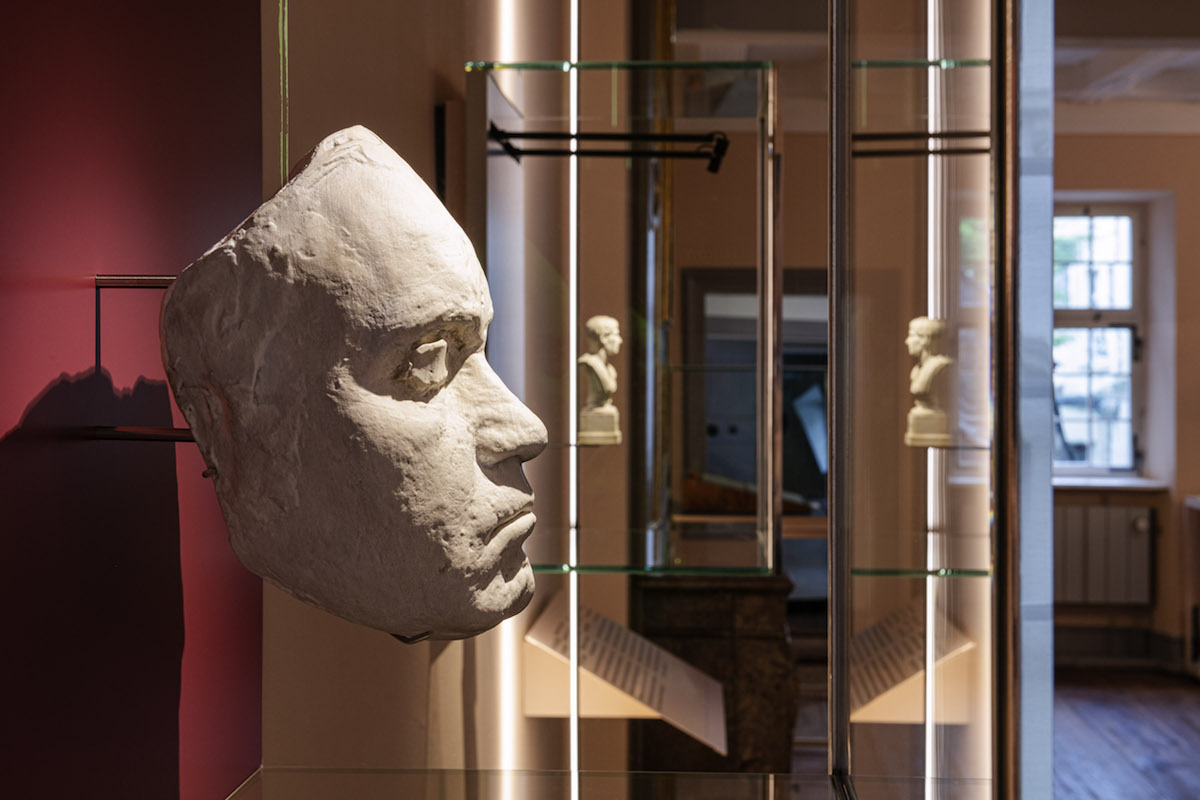
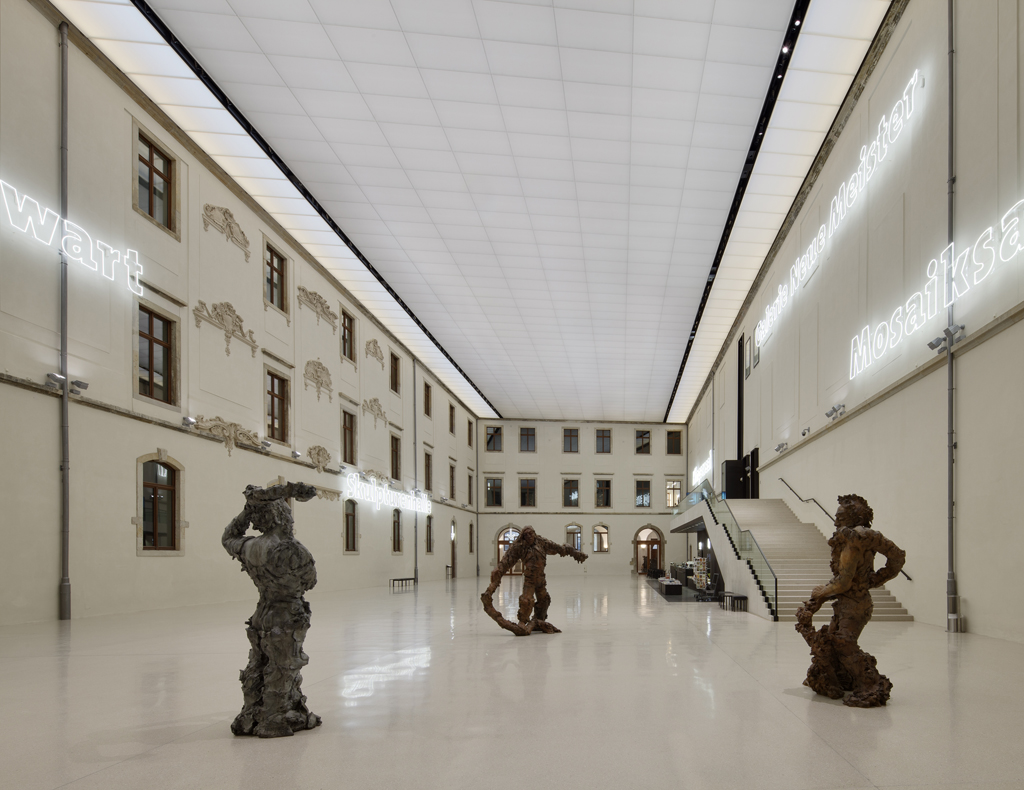
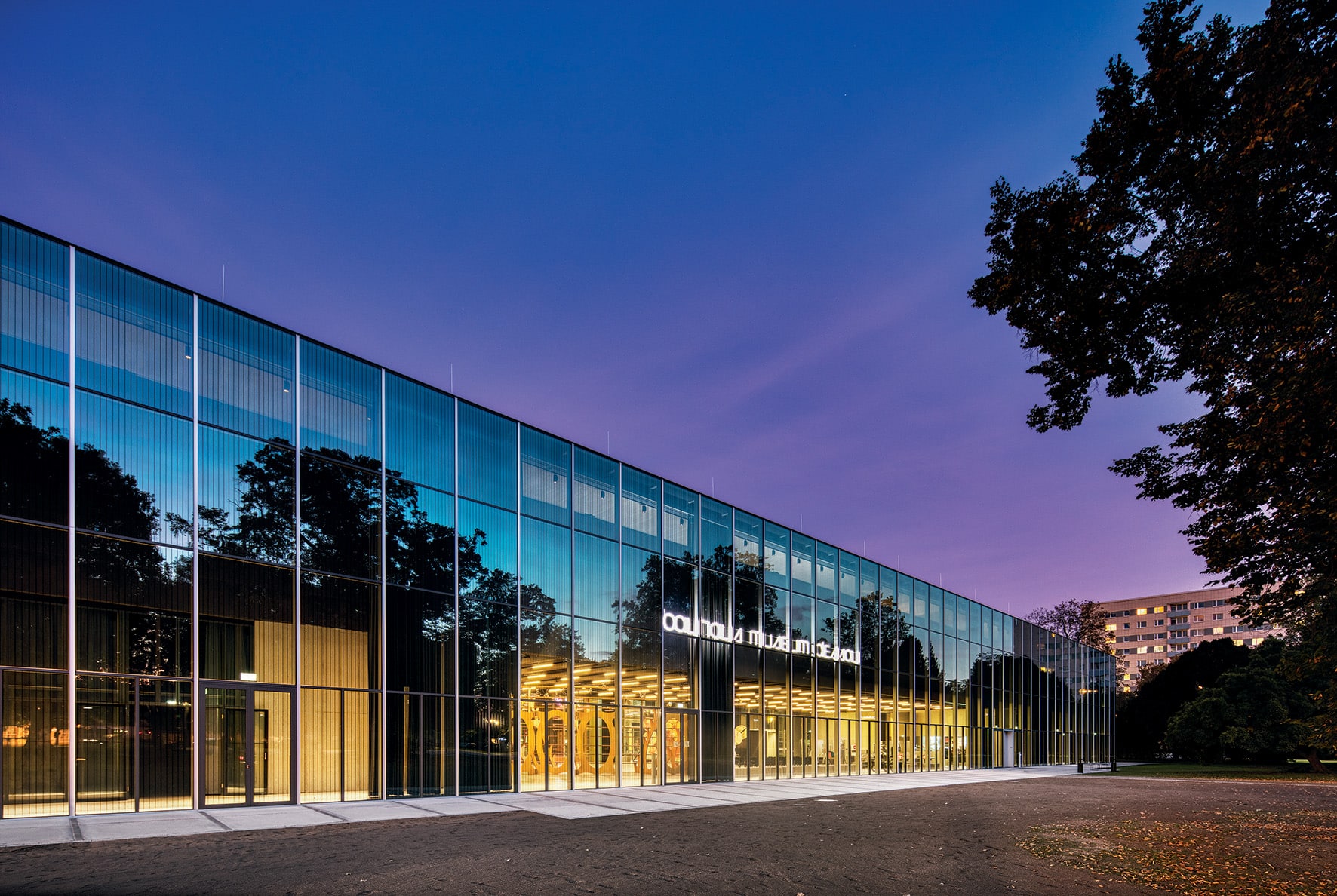
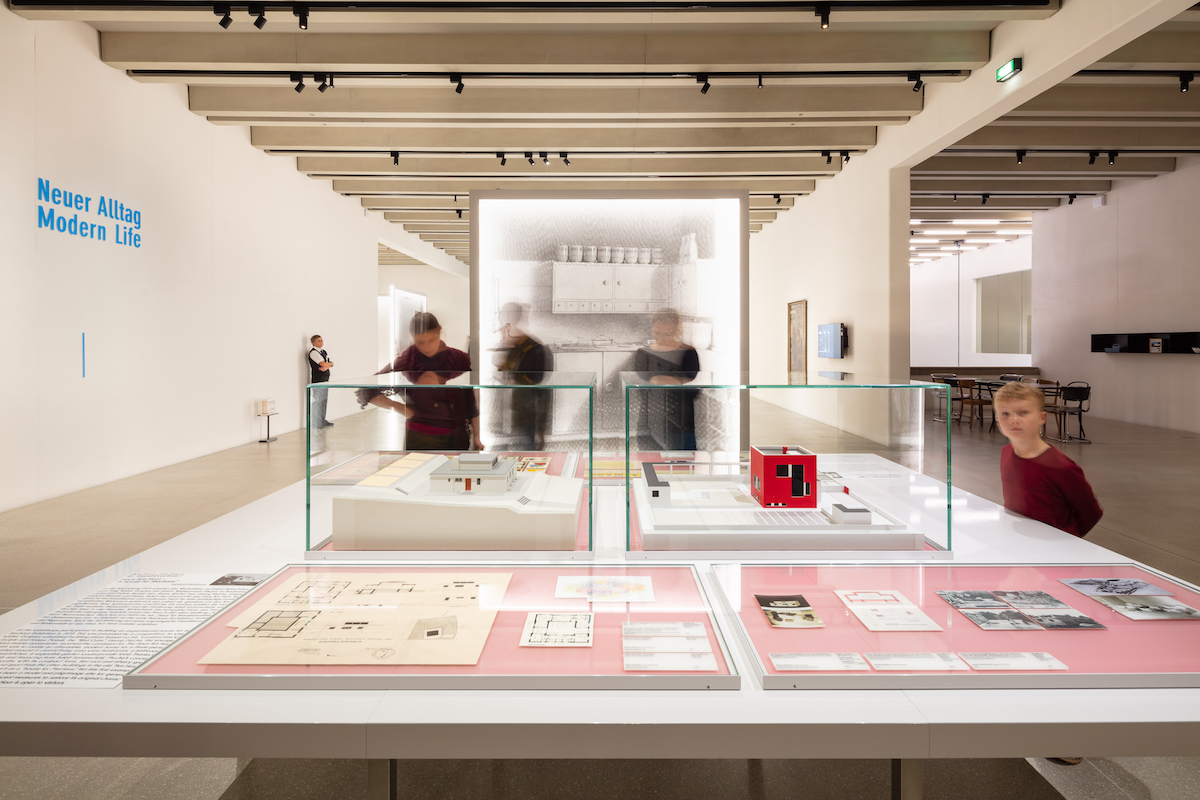
Cultural lighting is a discipline of restraint. The work — a painting, a sculpture, a manuscript, a building — is the protagonist. The lighting designer's task is to make it legible, protect it from harm, and leave the visitor with the sense that nothing has been added to the object except the conditions to see it. Lichtvision has been entrusted with this responsibility for more than two decades, on projects from the Albertinum in Dresden to the Bauhaus museums in Dessau and Weimar.

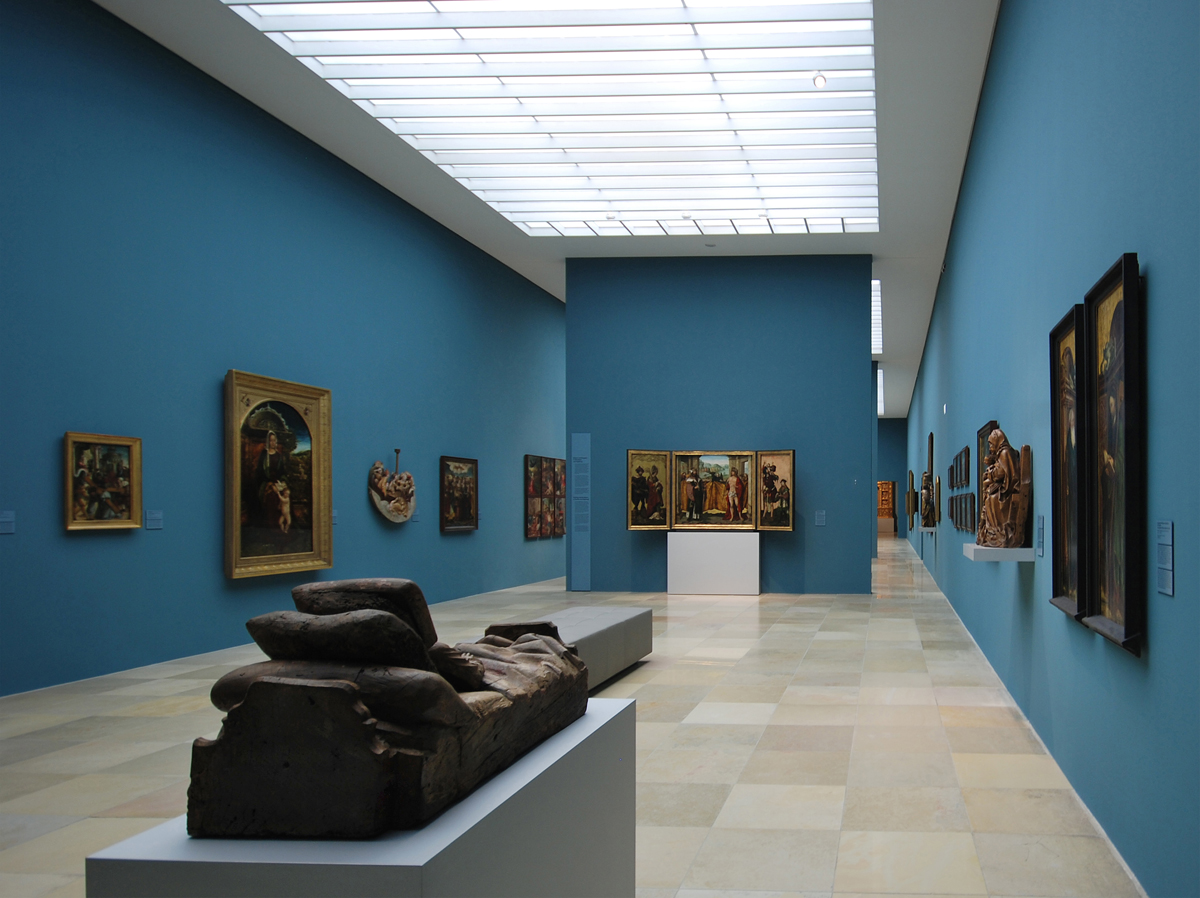
Our museum practice combines rigorous conservation lighting with architectural sensibility. We work to ICOM, CIE and IES guidance on lux-hours and ultraviolet exposure, model UV and infrared loads, and select optics that deliver perfect aim without the cone of a theatre fixture intruding on the room.

Conservation and exhibition lighting

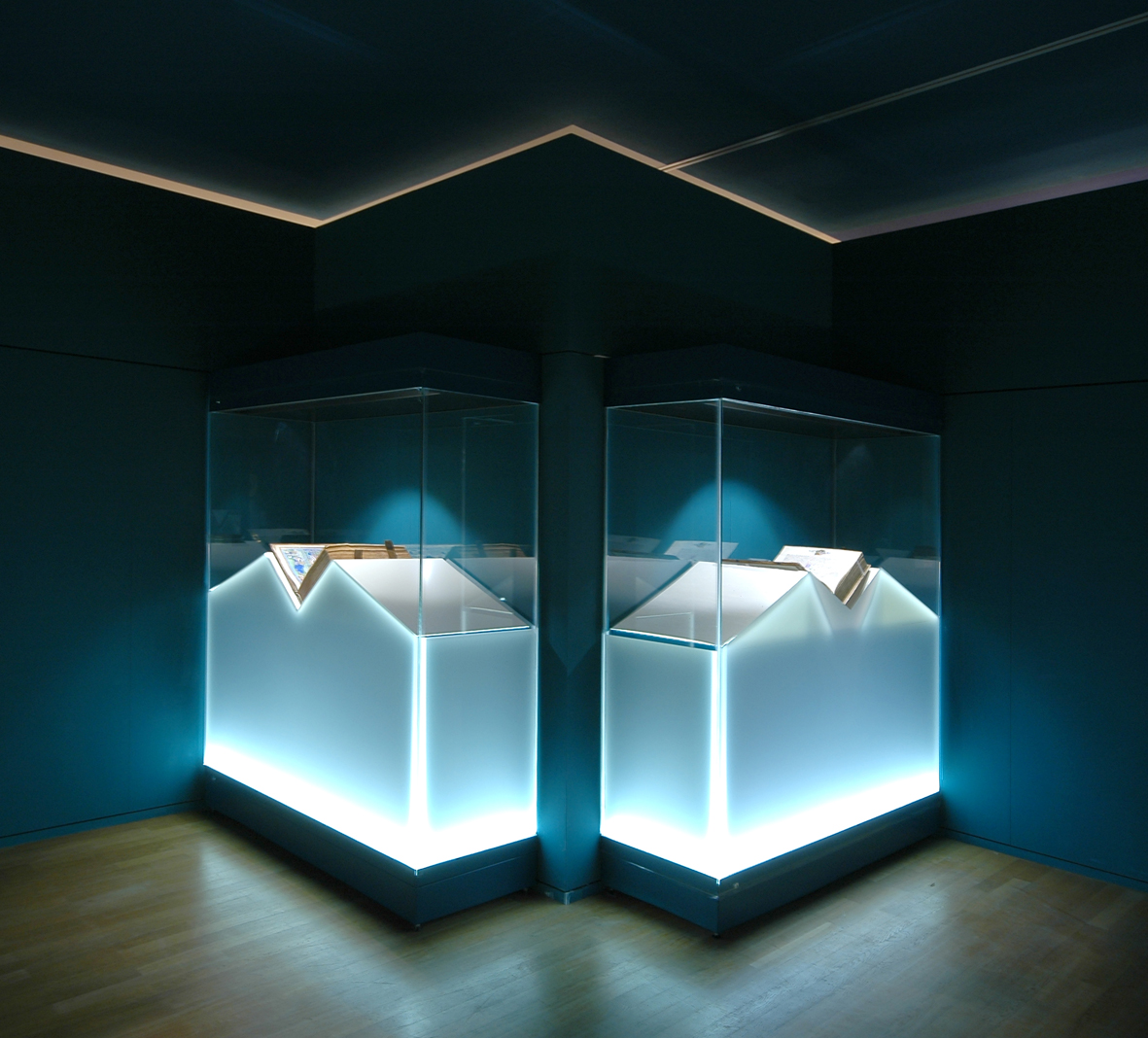
Lighting design for collections begins with the conservator. We map sensitivity classes — paper, textiles, oil paint, stone, photography — and design exposure budgets in lux-hours per year that respect the loan and display strategy. Where higher levels are needed for legibility, we propose dynamic dimming and controlled exposure scenes the curator can audit.

Optics are chosen for precise framing, low veiling reflections and a clean, glare-free read from every visitor sightline. We model installation tolerances so the gallery technician can re-aim quickly between exhibitions.
Architectural lighting for heritage

Listed and heritage buildings demand a respectful hand. We design minimal interventions, route cabling without scarring fabric, and use temporary mockups in situ to validate the result before any cut is made. The objective is always the same: light that feels as if it has always belonged there.

Concert halls, libraries and public cultural spaces

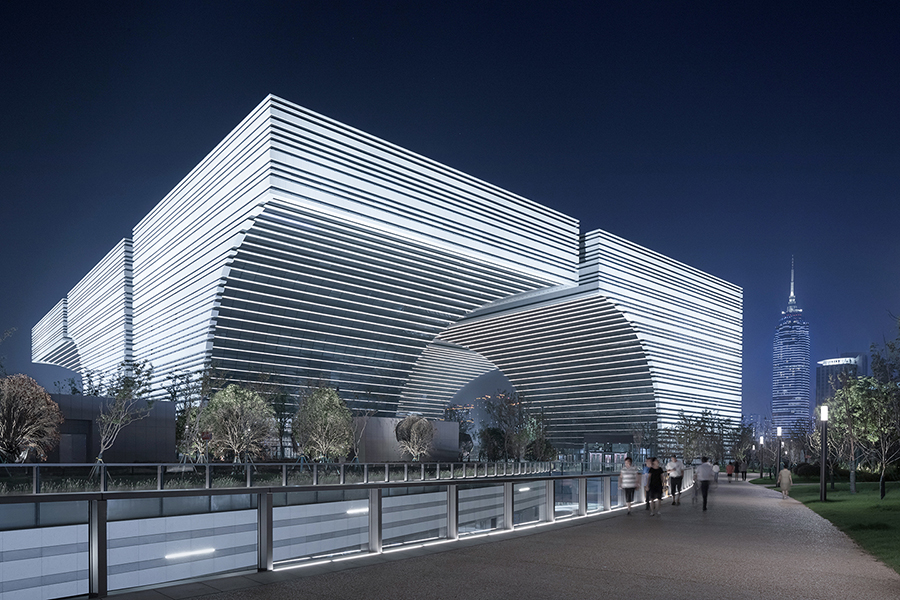
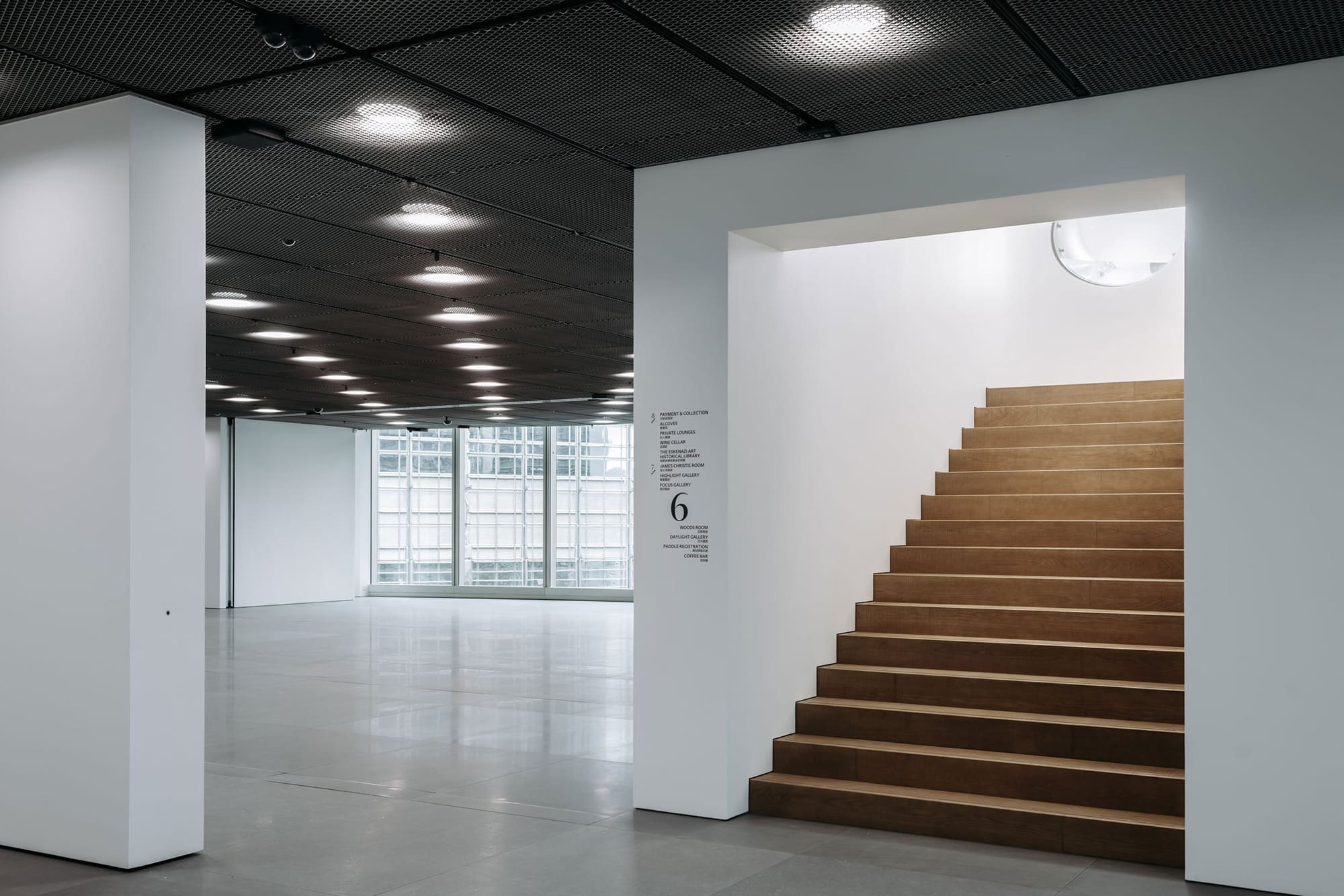
Beyond the gallery, cultural buildings are civic rooms. Foyers, libraries, auditoriums and education spaces deserve the same generosity of light as the exhibition itself. We design transitions between thresholds so the visitor moves from city, to foyer, to dim gallery, to bright cafe without strain.

What we design

Briefs we are regularly trusted with.

Museums and galleries

Permanent collection, temporary exhibition, foyer, education and BoH — coordinated as one architectural system.

Heritage and listed buildings

Minimally invasive interventions developed with conservators and heritage authorities.

Concert halls and theatres

Front-of-house, foyer, auditorium house lights and integration with stage lighting.

Libraries and education

Reading-room lighting, archive storage and learning spaces with strict glare control.

Frequently asked

Questions clients ask.

What lux levels do you design to for collections?
We follow CIE 157 and ICOM/CCI guidance: typically 50 lux for very light-sensitive material, 150–200 lux for moderately sensitive, and higher where the conservator confirms acceptability.
Do you provide conservation lighting reports?
Yes — lux-hour budgets, UV and IR readings, and exposure logs are part of our museum deliverable set, signed off with the conservator.
Can you re-light a heritage building without altering fabric?
Often, yes. We use existing routes, surface-mounted micro-luminaires and reversible fixings. Every intervention is documented and reviewed with heritage authorities.

Start a conversation

Have a Museum & Culture project in mind?

We are happy to review a brief, visit a site, or sit down with your architect. Our studios in Berlin, London, Hong Kong, Shanghai, Singapore and Barcelona cover most of the world within a day's flight.